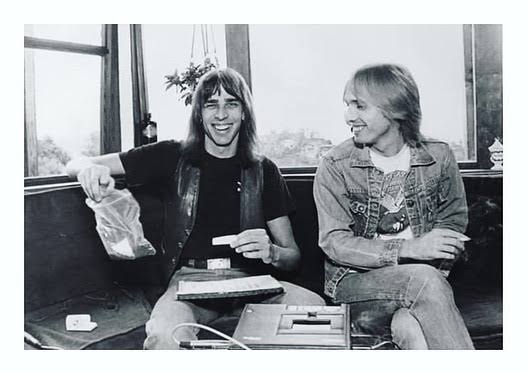
The man who believed in Rockwindow before almost anyone else.
By Marcus Hause
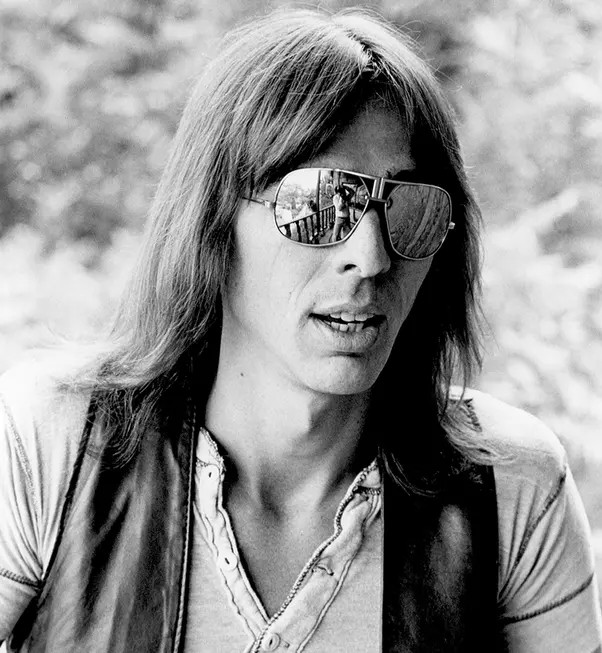
Long before podcasts, YouTube, and streaming services, there was one voice that defined rock radio in Southern California.
That voice belonged to Jim Ladd.
Like thousands of teenagers growing up in Los Angeles during the 1970s, I listened to Jim every chance I got. He wasn’t just another disc jockey. Jim represented freedom on the radio. He played what he wanted, introduced listeners to incredible music, and made every broadcast feel like a conversation with an old friend.
He was my hero.
Years later, after developing the idea for Rockwindow, I picked up the phone and called him.
To my surprise, Jim didn’t brush me off.
Instead he simply said,
“We should talk.”
A few days later we met for dinner at Dear John’s, the legendary steakhouse in Culver City, just a few minutes from the Westwood One studios. The restaurant is still there today.
That dinner changed my life.
I explained my vision for Rockwindow—a television series celebrating music, surfing, travel, and the culture surrounding rock and roll.
When I finished, Jim smiled.
“I’ll help you.”
Those four words meant everything.
At the time Jim was already hosting nationally syndicated rock interview programs, talking with the biggest names in music and helping pioneer a style of long-form artist interviews that influenced rock broadcasting for decades. Years later, Bob Coburn would become one of the best-known voices in that same tradition, carrying it forward for another generation.
If someone with Jim Ladd’s reputation believed Rockwindow could work…
Maybe it really could.
Filming the Pilot
I emptied my savings account and produced the very first Rockwindow pilot.
Jim volunteered.
He never asked for a penny.
He simply believed in the project.
Wearing his trademark dark sunglasses, Jim opened the show with that mysterious, unmistakable presence that every KMET listener knew so well.
At the end of the pilot he looked directly into the camera and quietly said,
“Inside the Rockwindow.”
It was perfect.
The pilot also featured Mark Goodman, one of MTV’s original VJs.
Against all odds, that pilot helped Rockwindow secure nearly one million dollars before the dot-com crash brought everything to a halt.
Looking back today, we came a lot closer than most people ever realized.
Ray Manzarek
Only a couple of weeks after filming the pilot, Jim called again.
“Marcus… I’d like you to meet someone.”
We met for lunch at the Beverly Wilshire Hotel.
The guest was Ray Manzarek, founding keyboard player of The Doors.
Ray looked across the table and said something I’ll never forget.
“Marcus… I’ll help you any way I can.”
Another unbelievable opportunity.
Another door opened because Jim believed in Rockwindow.
Laurel Canyon
Jim’s home was every bit as unique as the man himself.
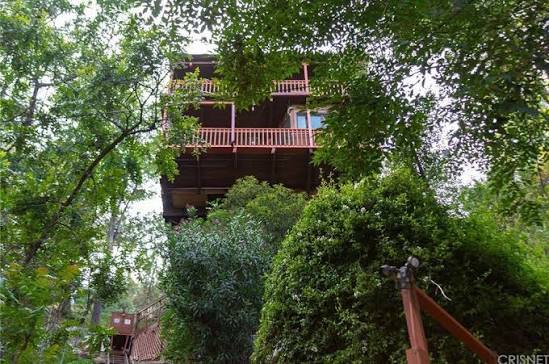
Hidden high above Laurel Canyon, it overlooked much of the canyon below.
You couldn’t simply walk up to the house.
A tiny private hillside tram carried visitors from the street to the front door. It reminded me of one of those little coal-mining rail cars—just big enough for two or three people.
It felt like entering another world.
Jim’s house became a gathering place for musicians and artists.
One day Bob Dylan unexpectedly showed up simply because he wanted to spend the afternoon listening to records with Jim.
No publicity.
No interviews.
Just music.
Tom Petty visited the house as well, and years later honored Jim with The Last DJ, a tribute to one of the final free-form radio personalities who refused to let corporations decide what listeners should hear.